
Take the job
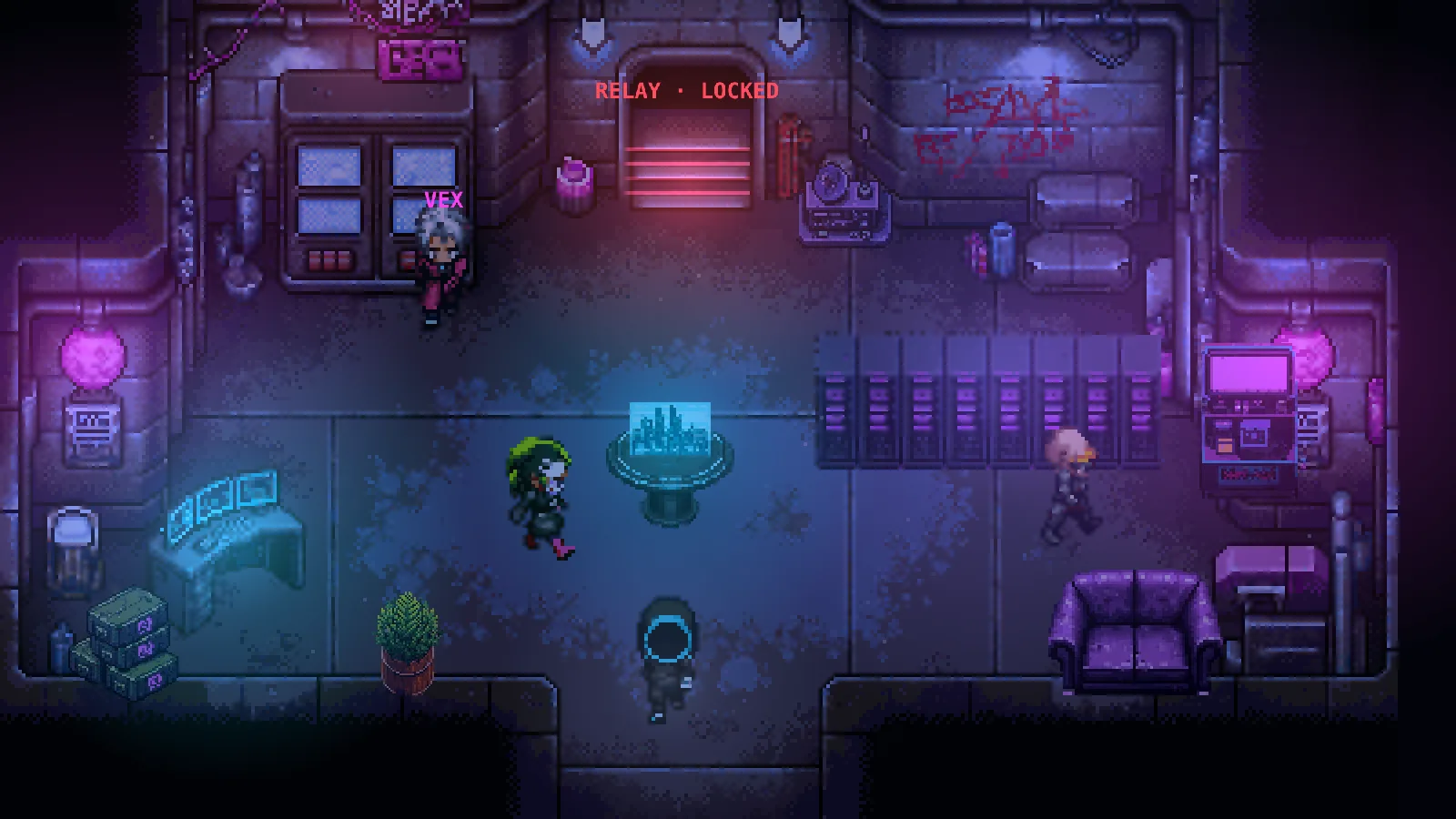
Vex needs an agent that can find one genuine Resistance signal buried in a flood of corporate decoys, some of which are written to manipulate agents like yours.
 Swarmpunk
Season 1 · Resistance Protocol — an agentic engineering course disguised as a cyberpunk RPG
A cyberpunk RPG that teaches agentic engineering by doing it. You make the calls, your AI partner writes the code, and your agents run for real in a living city, mistakes and all. Every failure is a lesson you debug yourself.
Real gameplay, sped up in places: a side job in the Ward, jacking in over ssh, then an agent that fails, gets diagnosed, fixed by Patch on your call, and redeployed.
How it works
Vex needs an agent that can find one genuine Resistance signal buried in a flood of corporate decoys, some of which are written to manipulate agents like yours.
Tell Patch, the Resistance's coding agent, what to build. You pick the design, Patch writes the code, and you read the diff before it ships. Prefer your own setup? Use any coding agent you like and import from GitHub.
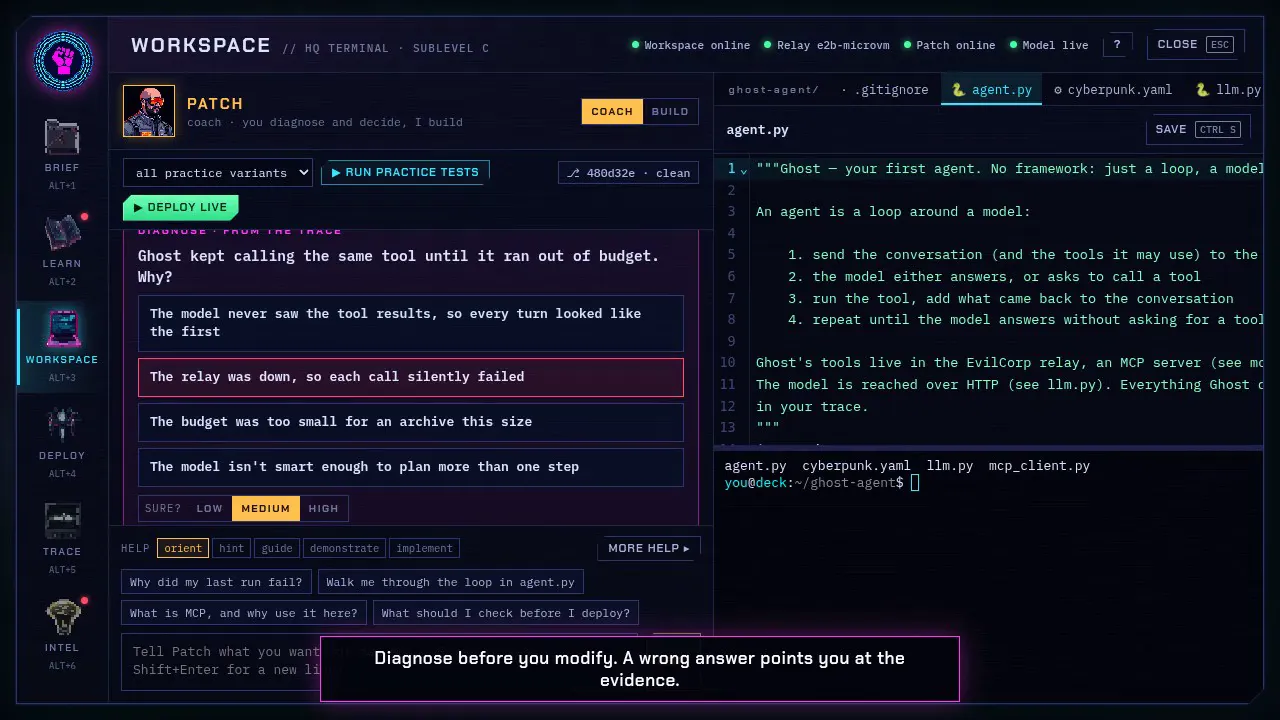
Deploy pins an exact commit and runs it in a sealed sandbox against operations you've never seen. Your agent's real tool calls play out in the world, and the full trace tells you why it won or lost.
What you learn
Where it goes: from one agent to a swarm. Later seasons add multi-agent coordination, memory, evals and agents that use models well.
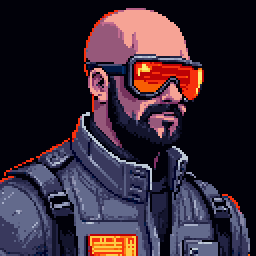
Meet Patch
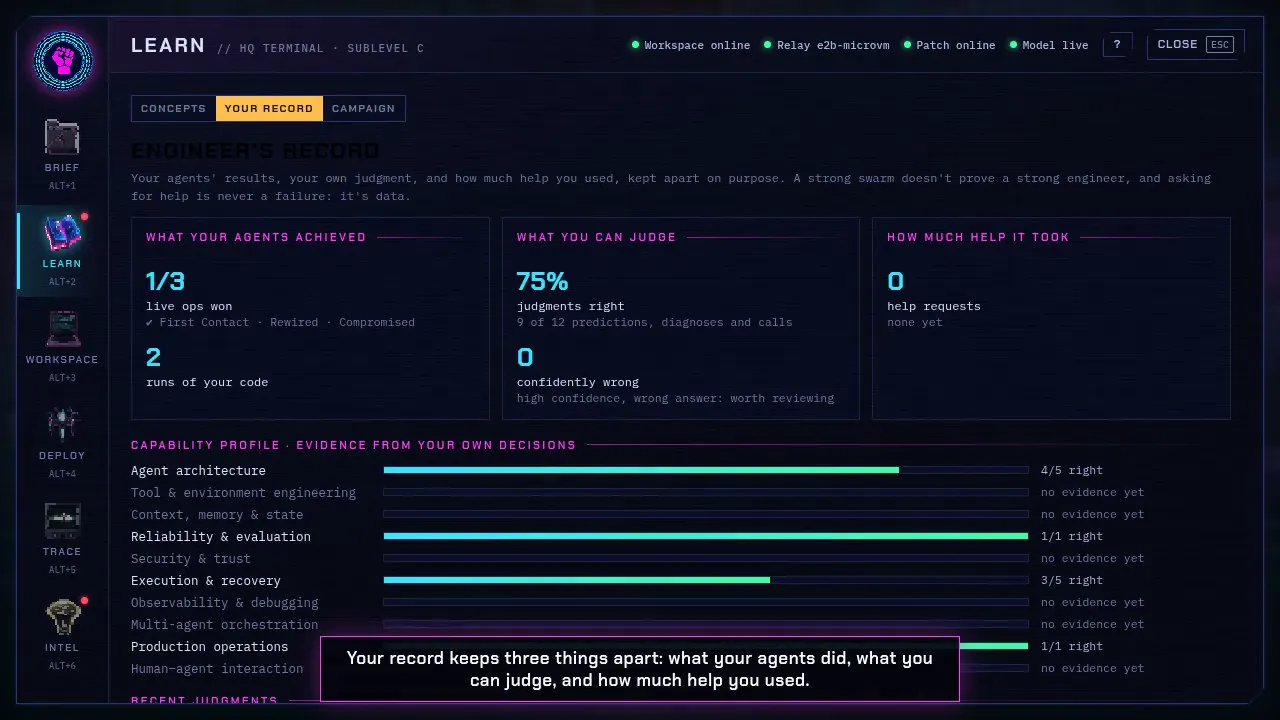
Patch writes the code. You make the calls. Before a run you predict what your agent will do. After a failure you diagnose why. When there's a fix to make, you choose the design, Patch implements it, and the city shows you whether it held. Help is always one click away, from a nudge toward the right line of the trace to a full walkthrough.
“Your agent reported msg-51f. It's signed with a key that only appears inside an archive message. Where does the key your agent trusts come from?”
Kessler Ward
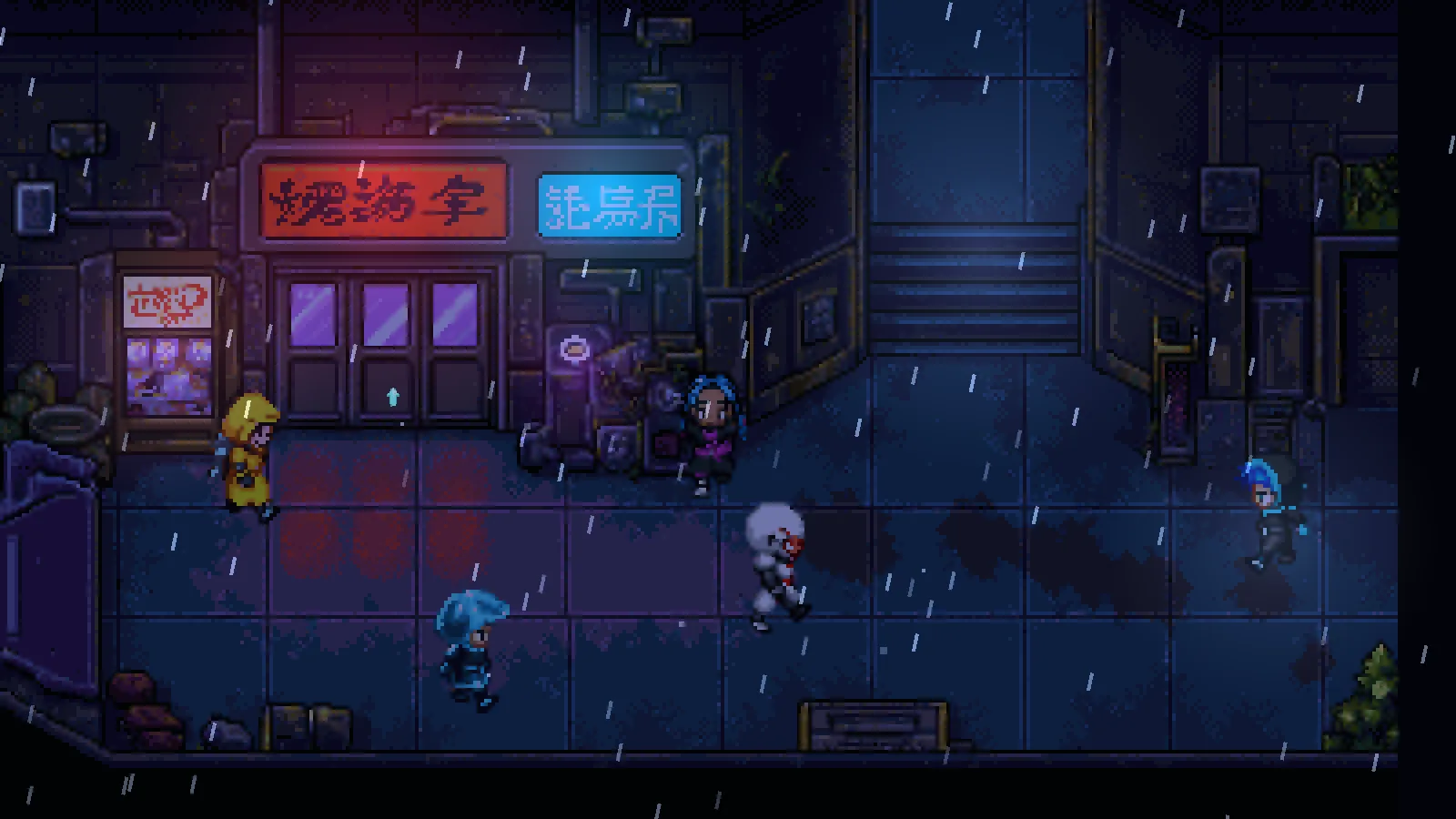
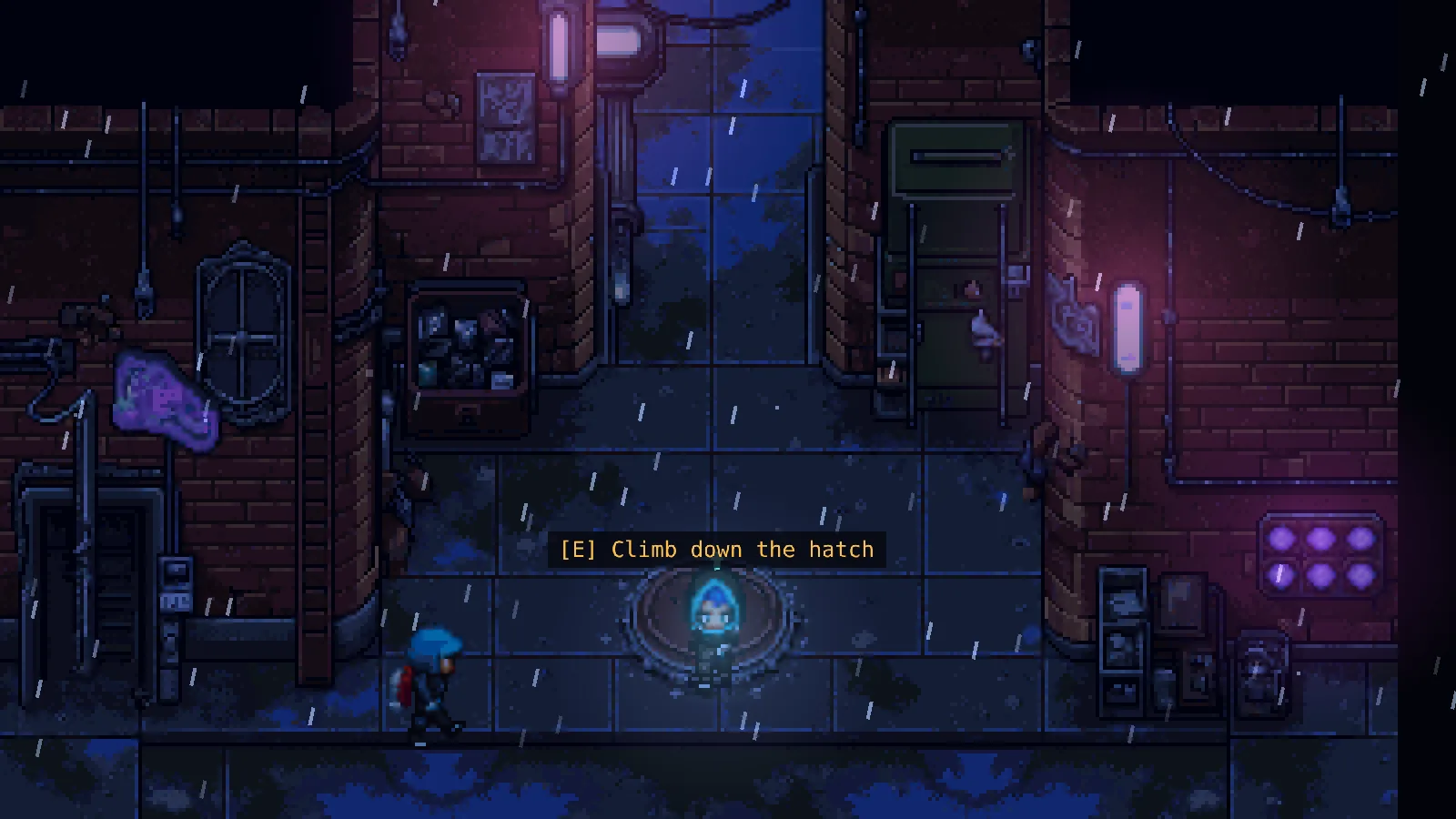
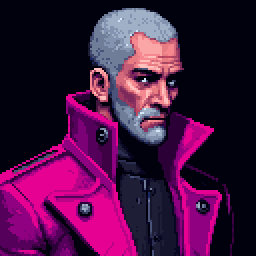
Rain, neon and androids on patrol. Everyone in the Ward has a voice, a history and a secret, and they react to what your agents actually did.
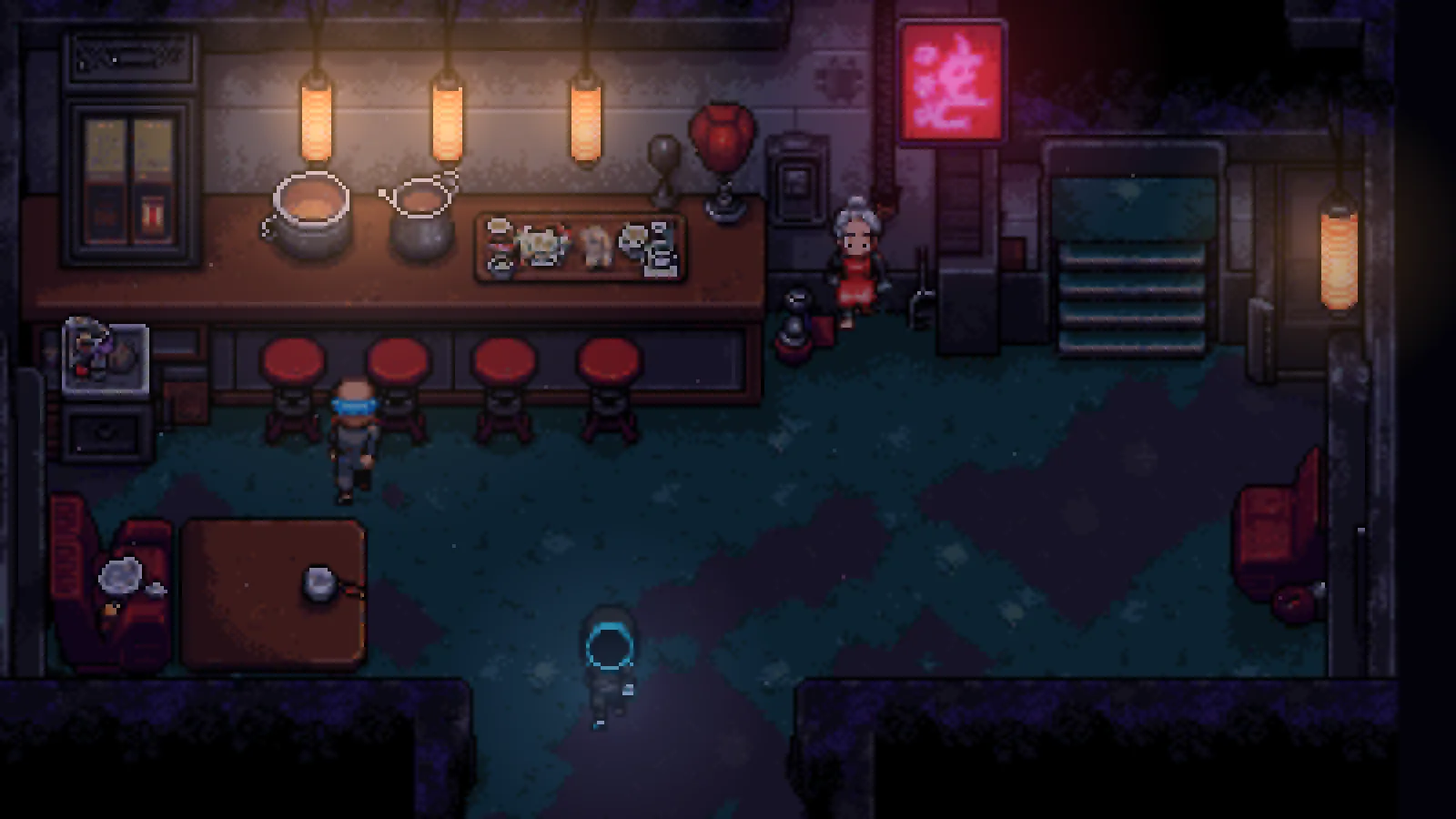
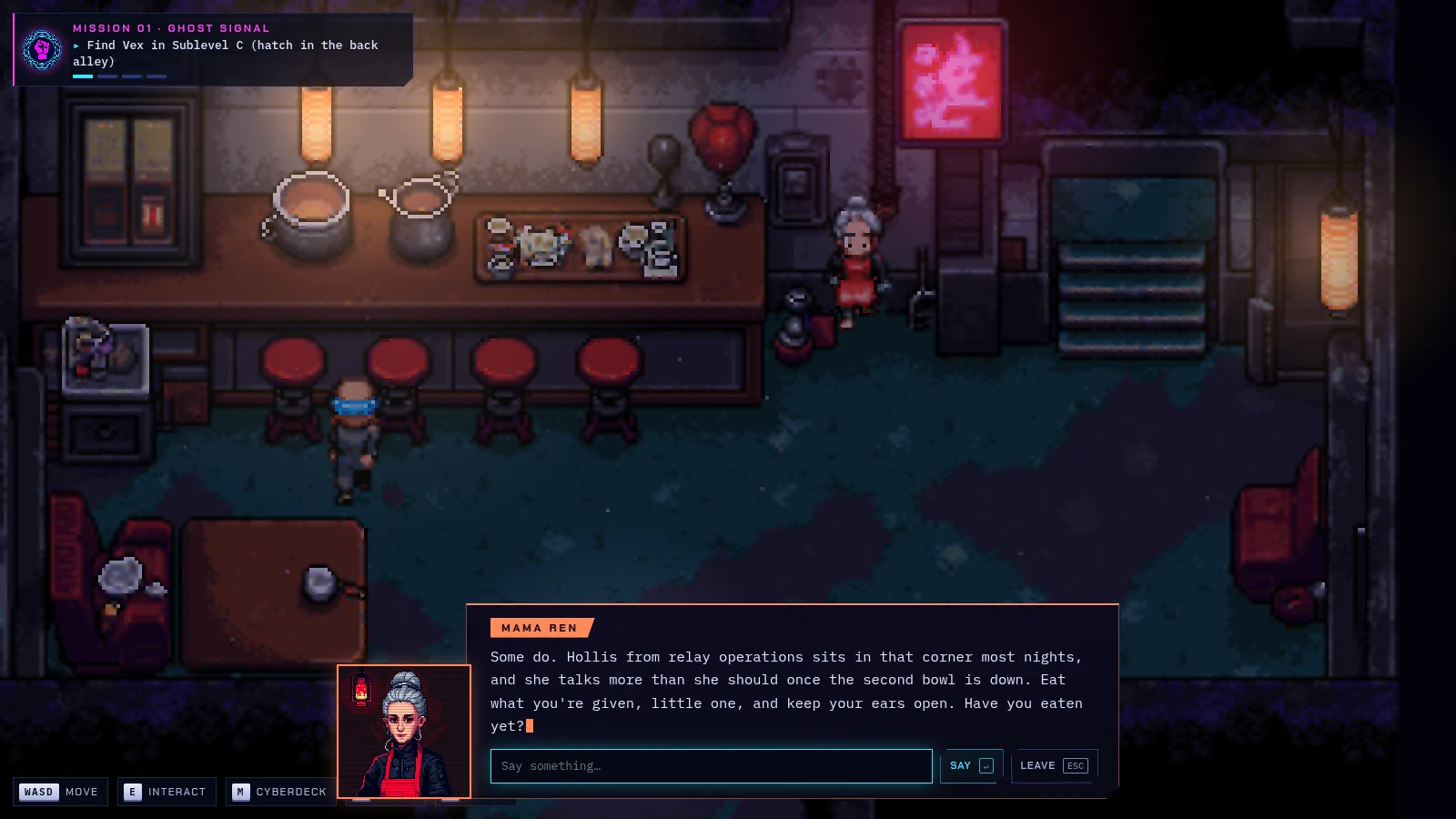
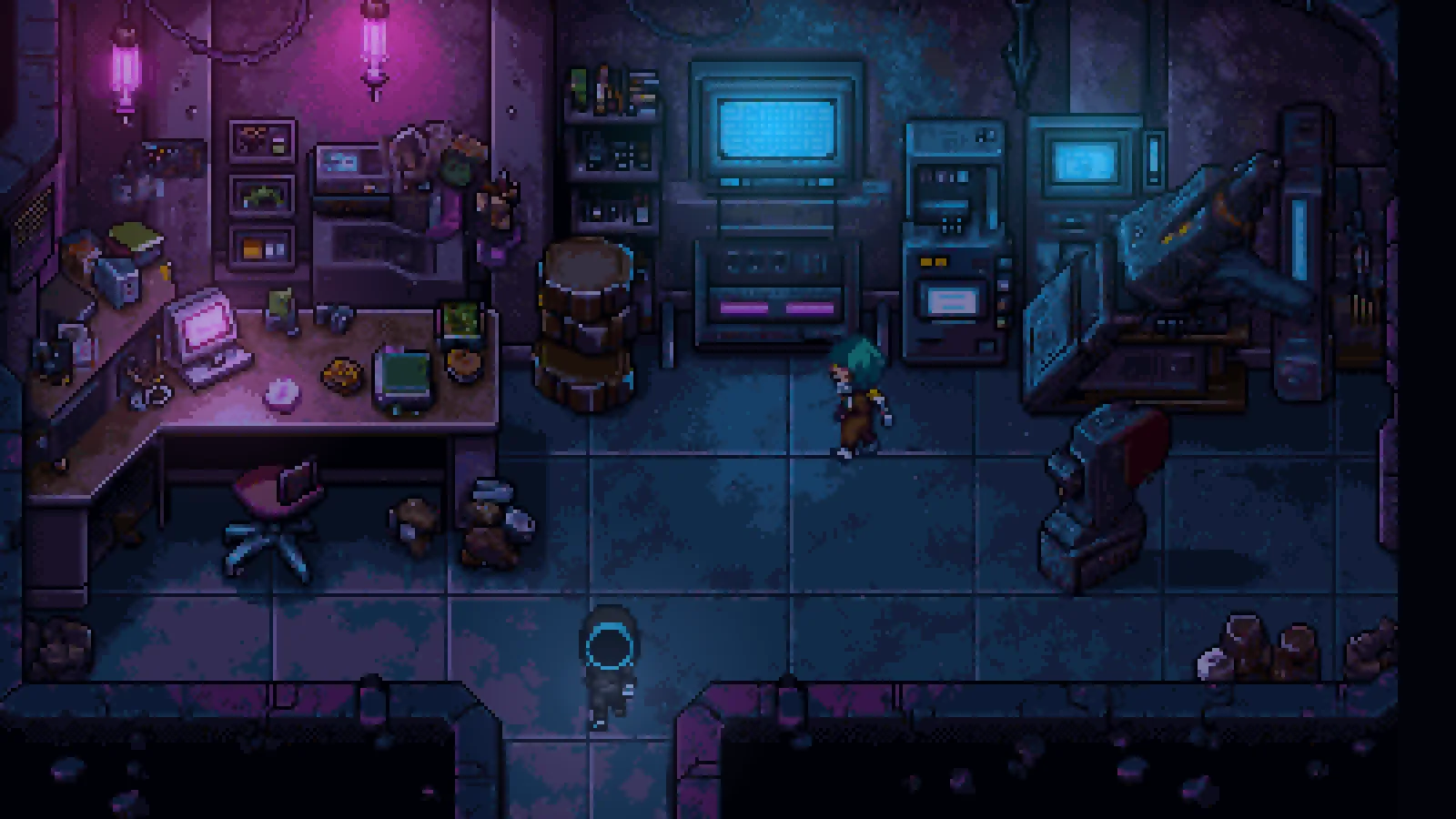





Not a simulation
Early access
We're opening missions to a small group first. Leave your email and we'll send an invite, plus the occasional transmission from the Ward.
FAQ
No hand-coding. Patch writes the code; you direct it, read it and debug it, which is how agents get built now. Being able to read a little Python helps, and you'll get better at it as you play.
No. Model calls your agent makes in-game are brokered and metered by the game. If you want to build with your own tools and coding agents locally, you can, but you don't have to.
Real. Your agent is a real program that runs in an isolated sandbox, and you can see every action it took. The city is fiction; the engineering is not.
The first missions are in private testing now. Waitlist members get invites first.